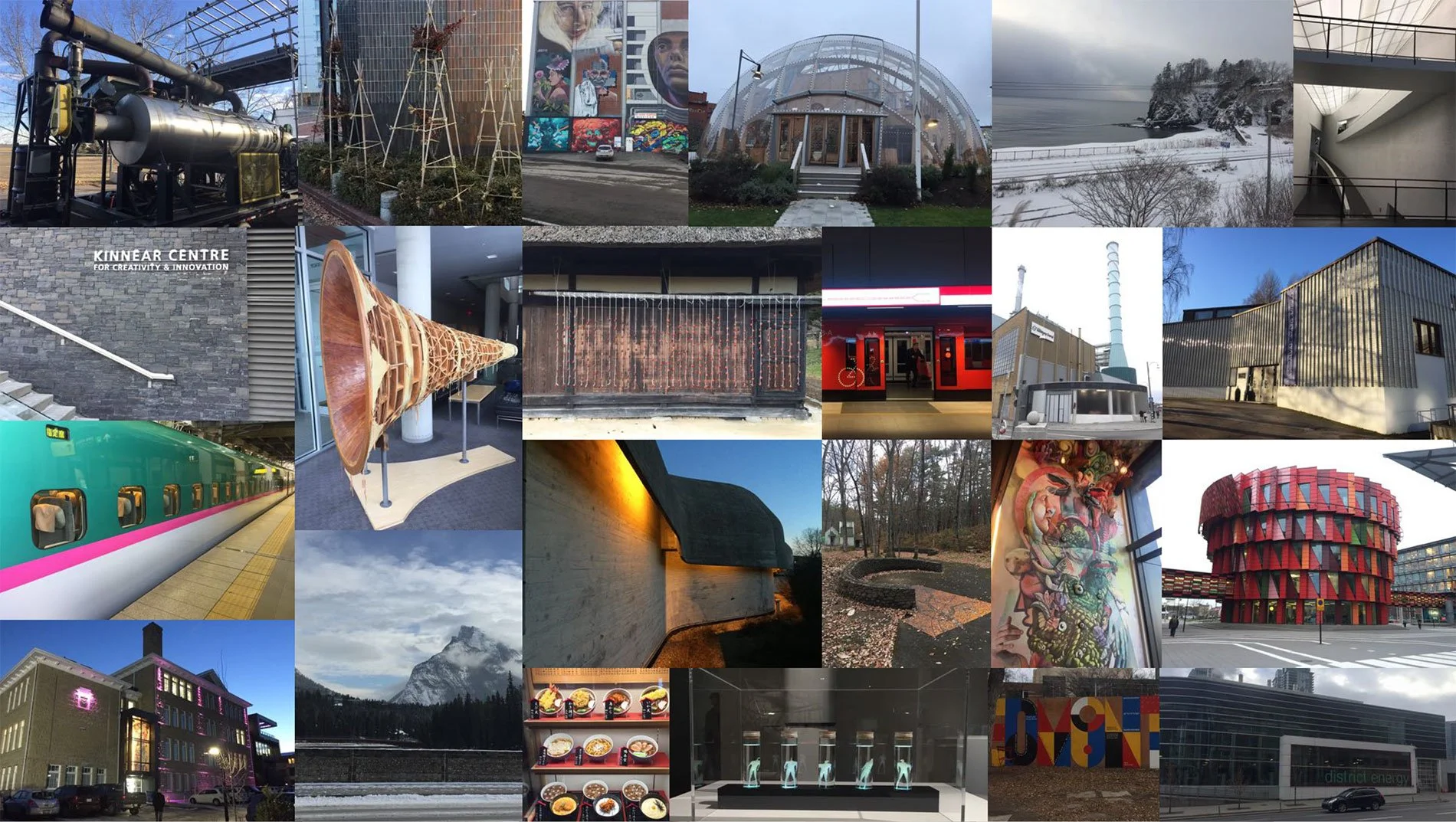
Designing Local Initiatives
To explore place-made development within Regional communities.

Over the past decade, the growth of Australian regional communities compared to urban centres, has been declining. Investment into regional communities has gradually decreased placing pressure to adapt and innovate. There is increasing need to find local solutions that enhance social & economic growth and to ensure resilience is maintained into the future.
A Churchill Fellowship undertaken in November 2018, provided an extraordinary opportunity to explore a series of international best practice models driven by community development and local circular economies. By designing and developing models which respond to place, there is potential to regenerate local communities throughout regional Australia.
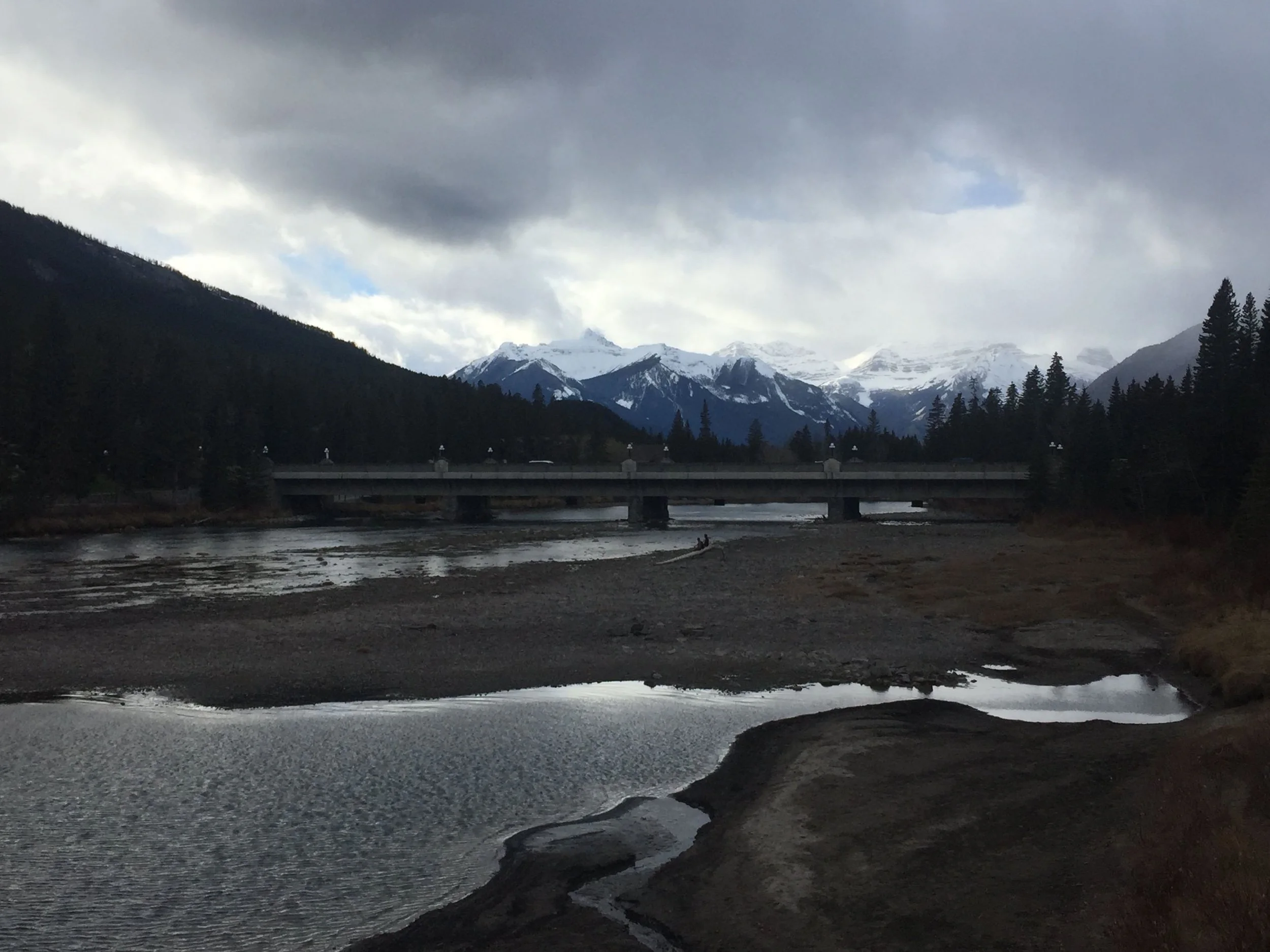
Alberta & Ontario, Canada
One of the prairie provinces, Alberta, abuts the Rocky mountains of Western Canada. Rich in mineral deposits and extensive gas resources, its agricultural communities outside of the major cities are sparsely populated, but large producers of extensive cropping.
Ontario is one of the east-central provinces and home to the capital Ottawa. Neighbouring the USA and the Great Lakes, it is the most populated and Canada’s main economic hub. Its extensive freshwater lakes and river systems contribute to a large agriculture production of maize & soybeans and livestock.
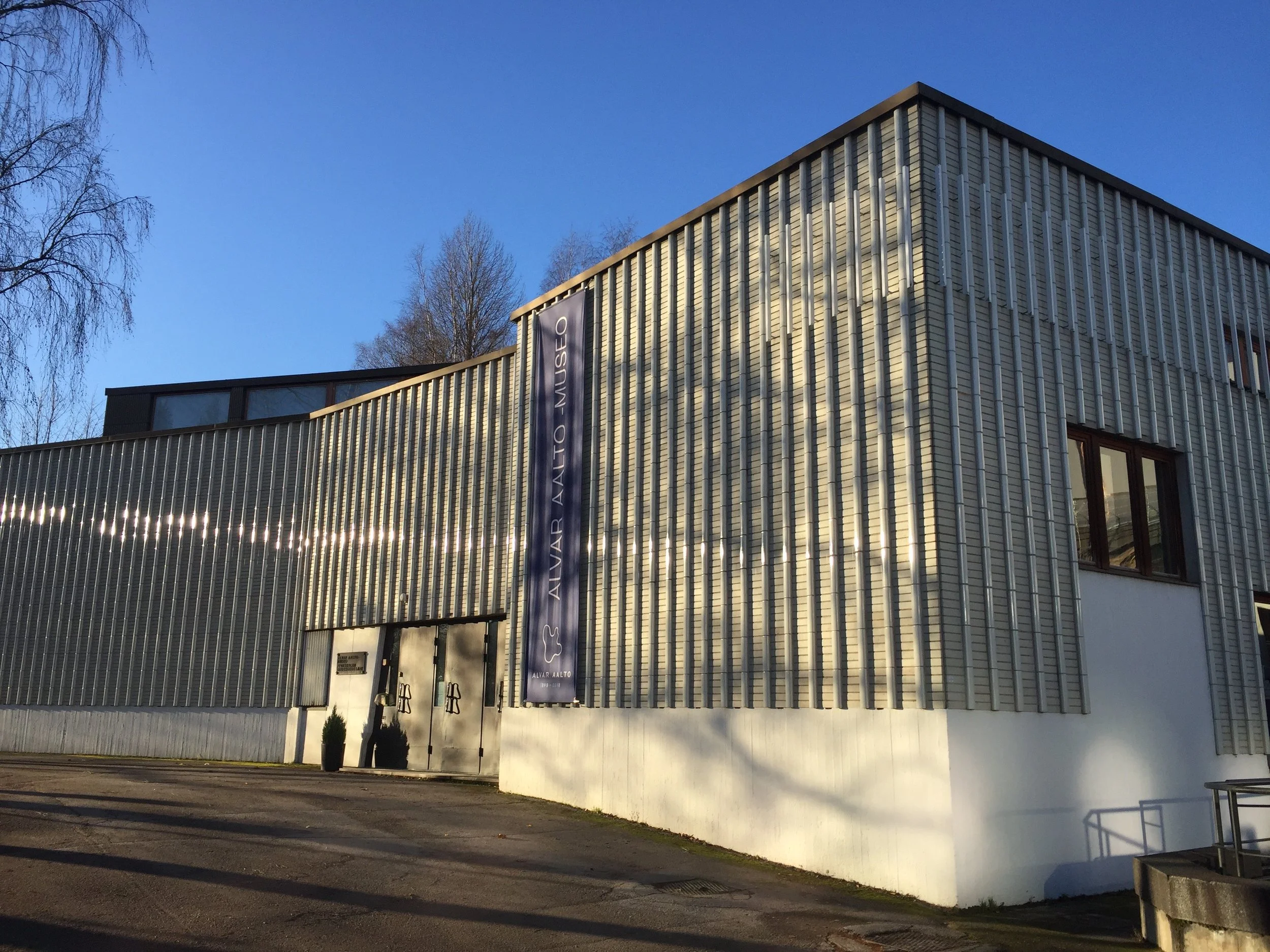
Central Finland
Known as the Lakeland region, Central Finland is defined by its natural landscape. It is also home to significant cultural facilities and heritage as well as innovations in education, craft, design and regional planning.
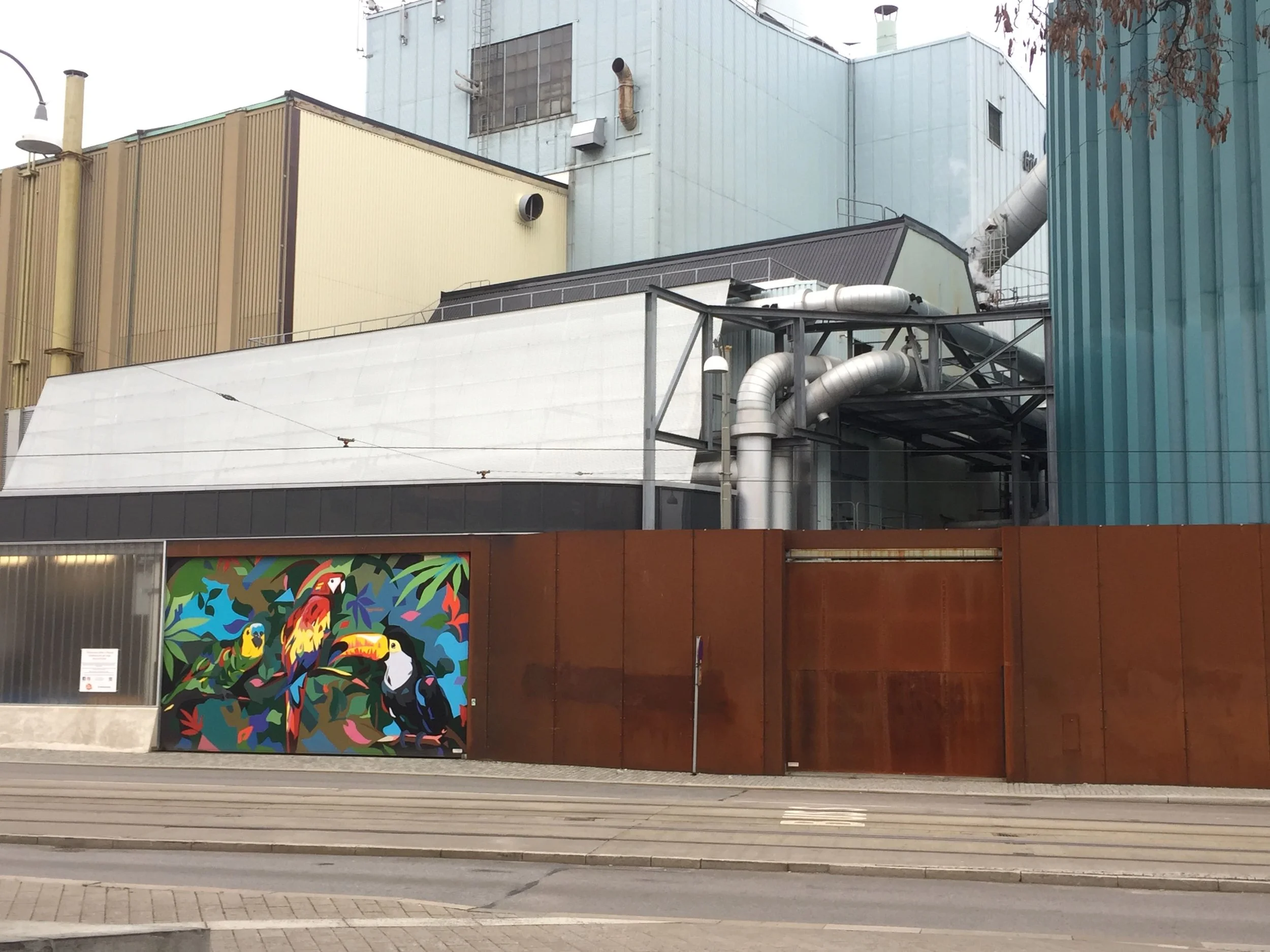
Skane as the most southern county of Sweden, offers a diverse range of industry and businesses. With a milder climate than the rest of Sweden, agriculture is a predominant industry contributing to almost half of the annual food production. More recently it has become know for as a centre for innovation in Ag & food technology.
Skåne, Sweden
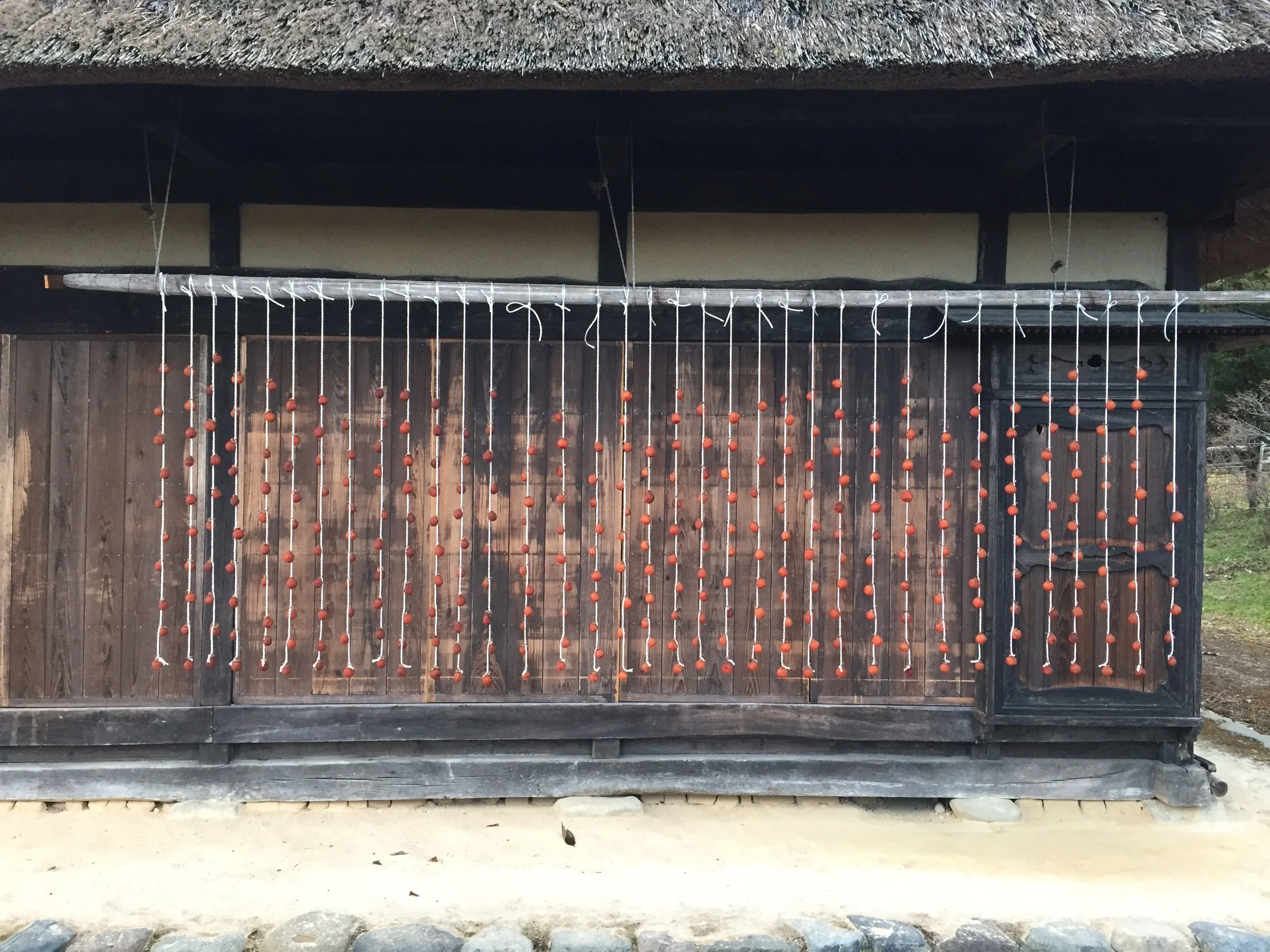
As the most northern main island of Japan, Hokkaido is one of the largest prefectures. Home to the indigenous people the Ainu it is also known for it extensive rural wilderness. Two of the prominent industries are fisheries and diary. As Japan’s largest dairy producer it is leader in innovation of ag & food technology.
Located on the eastern seaboard Iwate is one of the largest prefectures in Tohoku region of Honshu island. Renowned for its traditional architectural buildings and buddhist temples which have world heritage recognition, cultural tourism contributes significantly to regional development and leading the recovery post the Fukushima disaster in 2011.